



As the year comes to a close, many owners want to start the next one with a fresh plan. But it is hard to plan clearly when last year's loose ends are still lying around: payments never collected, customer lists full of duplicates, bills in a drawer, and enquiries that were never closed.
A short year-end tidy-up, spread over a few evenings or one weekend, fixes most of this. It does not need special skills. It needs a checklist and a little patience.
This post covers operations and records. For tax and accounts, follow your accountant's advice on dates and documents.
1. Chase what you are owed
Start with money, because it matters most. List every unpaid invoice and every customer with credit outstanding. For each one, decide:
- Send a reminder now.
- Call personally, for larger or older amounts.
- Agree a payment plan with a customer who is struggling.
- Accept that a very small or very old amount may not come in, and mark it so it does not confuse your records.
Hello [CUSTOMER NAME], as we close our books for the year, I noticed invoice [INVOICE NO] for [AMOUNT] is still open. Could you please arrange payment by [DATE]? UPI: [UPI ID]. If it is already paid, please share the details and I will update our records. Thank you.
A year-end reminder feels natural to most customers, and it often brings in money that had been forgotten.
2. Clean up your customer list
Customer lists get messy over a year. Spend an hour fixing them:
- Merge duplicate entries for the same person.
- Fix phone numbers that are incomplete or wrongly formatted.
- Close old enquiries: mark them Won or Lost rather than leaving them open.
- Remove people who asked not to be contacted.
- Mark your best customers, so you can thank them and keep in touch next year.
3. Organise bills and records
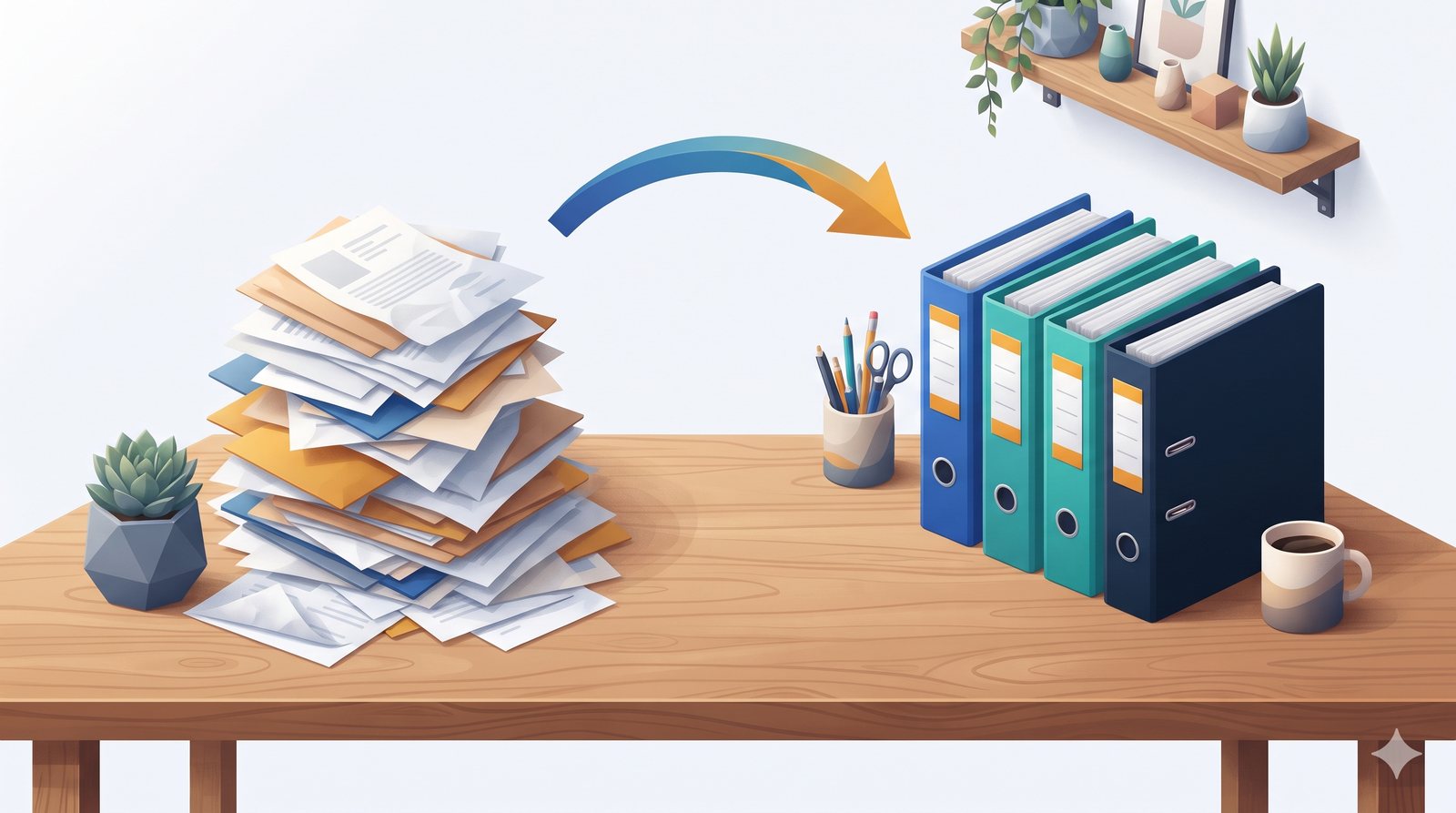
Gather supplier bills, sales invoices, receipts and bank statements for the year. Put them in one place, sorted by month, either in a physical file or in folders on your computer or cloud storage. Check for missing months and chase copies from suppliers if needed.
If your accountant has asked for anything specific, prepare it now, rather than in a rush later.
4. Review your subscriptions and tools
Look at every software tool, app and service you pay for. For each one, ask whether it was actually used this year and whether it saved time or money. Cancel what you do not use. Note anything that is missing, so you can plan for it next year.
5. Thank your customers and team
A short, sincere thank-you at the end of the year means a lot. Send a personal message to your best customers. Thank your team for their work, ideally in person. These small gestures build loyalty that carries into the new year.
Hello [CUSTOMER NAME], thank you for choosing [BUSINESS NAME] this year. It has been a pleasure working with you. We look forward to helping you again next year. Wishing you and your family a happy new year.
6. Write down three lessons
Before the year ends, write down three things that went well and three that did not. Maybe follow-ups were often missed, or one service was more popular than expected. These notes are the most useful starting point for next year's plan, because they come from your own business, not from general advice.
Start the new year with one improvement
Do not try to change everything in January. Pick the one problem that cost you most this year, whether missed follow-ups, late payments or slow billing, and fix that first. One well-chosen improvement is worth more than a long list of resolutions.
Common questions
We are too busy at year-end. Can this wait?
Parts of it can, but chasing payments should not. Money owed becomes harder to collect the older it gets. If you do only one thing this month, do the payment list.
How do we stop the mess building up again?
Turn the tidy-up into small habits: add every new customer properly on the day, send payment reminders on a fixed routine, and file bills as they arrive. Ten minutes a day prevents most of the year-end work.
Should we send a greeting to every customer?
Personal messages work best for your regular and most valued customers. For everyone else, one short, friendly message is fine, as long as they have agreed to hear from you.
Where to start
Begin with the payment list this week. If you would like help choosing your one improvement for the new year, and seeing how it could run automatically, book a free 15-minute check and we will go through it with you.