

You have spent time with a potential customer. Maybe you showed them your product, visited their home or office to measure, or walked them through a sample. They seemed interested. They said they would think about it.
Now comes the part many businesses get wrong. Some send nothing and wait. Others send too much, too often, and the customer feels chased. The right follow-up sits in between: quick, useful and planned.
Why the days after a visit matter so much
Right after a demo or site visit, the customer remembers you clearly. They remember what you showed them, what you said and how you made them feel. Each day that passes, that memory fades and other options get more attention.
The aim of your follow-up is to keep the conversation alive, answer remaining questions and make the decision easy.
Within 24 hours: the summary
Send a short message the same day or the next morning. It should:
- Thank them for their time.
- Summarise what they need, in their words, so they know you listened.
- Confirm the next step, such as a quote by a certain date.
Hello [CUSTOMER NAME], thank you for your time today. To confirm, you are looking for [SHORT SUMMARY OF NEED], with a budget around [BUDGET] and a target date of [DATE]. I will send you the detailed quote by [DAY]. If I missed anything, please let me know.
This message alone puts you ahead of many others, because it shows you were paying attention.
Within two or three days: the quote or proposal
Send the quote when you said you would. A quote that arrives on time builds trust before the customer has even read it. Keep it clear, with the total near the top, what is included and not included, the timeline and how to say yes.
If you discussed options during the visit, show them side by side, so the customer can choose without needing another call.
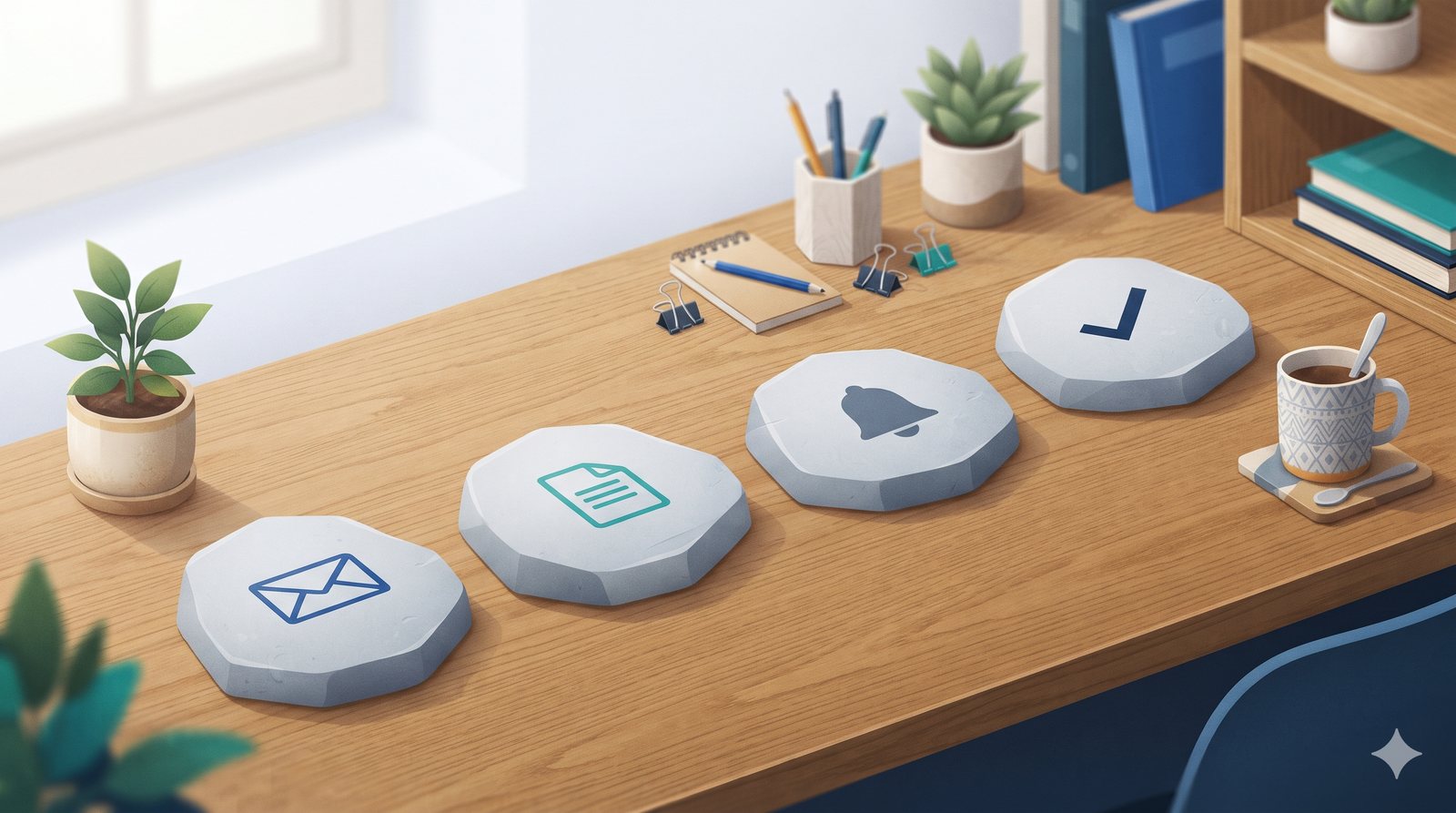
A few days after the quote: a helpful check-in
If there is no reply three or four days after the quote, send a short check-in. Make it about helping, not pressuring. Offer to answer questions or adjust the quote.
Hello [CUSTOMER NAME], did you get a chance to look at the quote for [JOB]? Happy to explain any part of it, or adjust the scope if the budget needs to change. I can also hold the [DATE] start slot for you until [DATE].
Add something useful
If the customer is still deciding, a useful extra can help. This could be photos of similar work you have done, if you have permission to share them, an answer to a question they raised during the visit, or a simple tip related to their project. It keeps you in their mind without asking for anything.
Close the loop politely
If there is still no reply after about ten days, send one last message that closes the loop. Make it easy for them to say no, or to come back later.
Hello [CUSTOMER NAME], I have not heard back, so I will assume the timing is not right for now and stop following up. If you would like to go ahead later, just send me a message and I will pick it up from there. Thank you again for your time.
This message often gets a reply, either a yes or a clear no. Both are better than silence.
Keep track of each visit
If you do several visits or demos a week, keep a simple list with the customer name, date of the visit, what they need, quote sent date and next follow-up date. This list is what stops promising leads from slipping away while you are busy with the next job.
A simple CRM can add reminders for each follow-up date, so you are told who to message each morning.
Common questions
What if the customer asked us not to follow up?
Respect it. Send the quote or information you promised, and let them know they can reach you anytime. A customer who feels respected is more likely to come back.
Is a call better than a message?
For larger jobs, a short call after the quote can help answer questions quickly. For most other follow-ups, messages are less intrusive, because the customer can reply when it suits them.
How do we remember who to follow up with?
Write the next follow-up date in your list right after each visit, and check that list every morning.
Where to start
Save the four messages in this post as ready replies on your phone. If you would like follow-up reminders after every visit to appear automatically, book a free 15-minute check and we will show you how that could work for your business.