


Almost every business owner has said it at some point: "We should really keep a proper customer list." Then someone opens a spreadsheet, adds thirty columns, and gives up after a week because it takes too long to fill in.
A good customer list is not the one with the most information. It is the one your team actually keeps up to date, because it is quick to fill in and useful every day. This post explains what to record, what to leave out, and how to keep it clean.
Start with the purpose
Before you add a single column, ask what you want the list to do. For most small businesses, the answer is one or more of these:
- Follow up on enquiries so they do not go cold.
- Remind customers about payments, appointments or renewals.
- Know who your regular customers are and what they buy.
- Reach past customers when you have something useful to offer.
Every column you add should serve one of these purposes. If it does not, leave it out.
The columns worth having
For a first list, these are usually enough:
- Name as the customer likes to be called.
- Phone number in one consistent format, ideally the WhatsApp number.
- Area or city if you serve more than one location.
- Source: how they found you, such as WhatsApp, Instagram, walk-in, referral.
- What they asked for or bought, in a few words.
- Status: New, In discussion, Customer, Not interested.
- Last contact date.
- Next step and date: what happens next, and when.
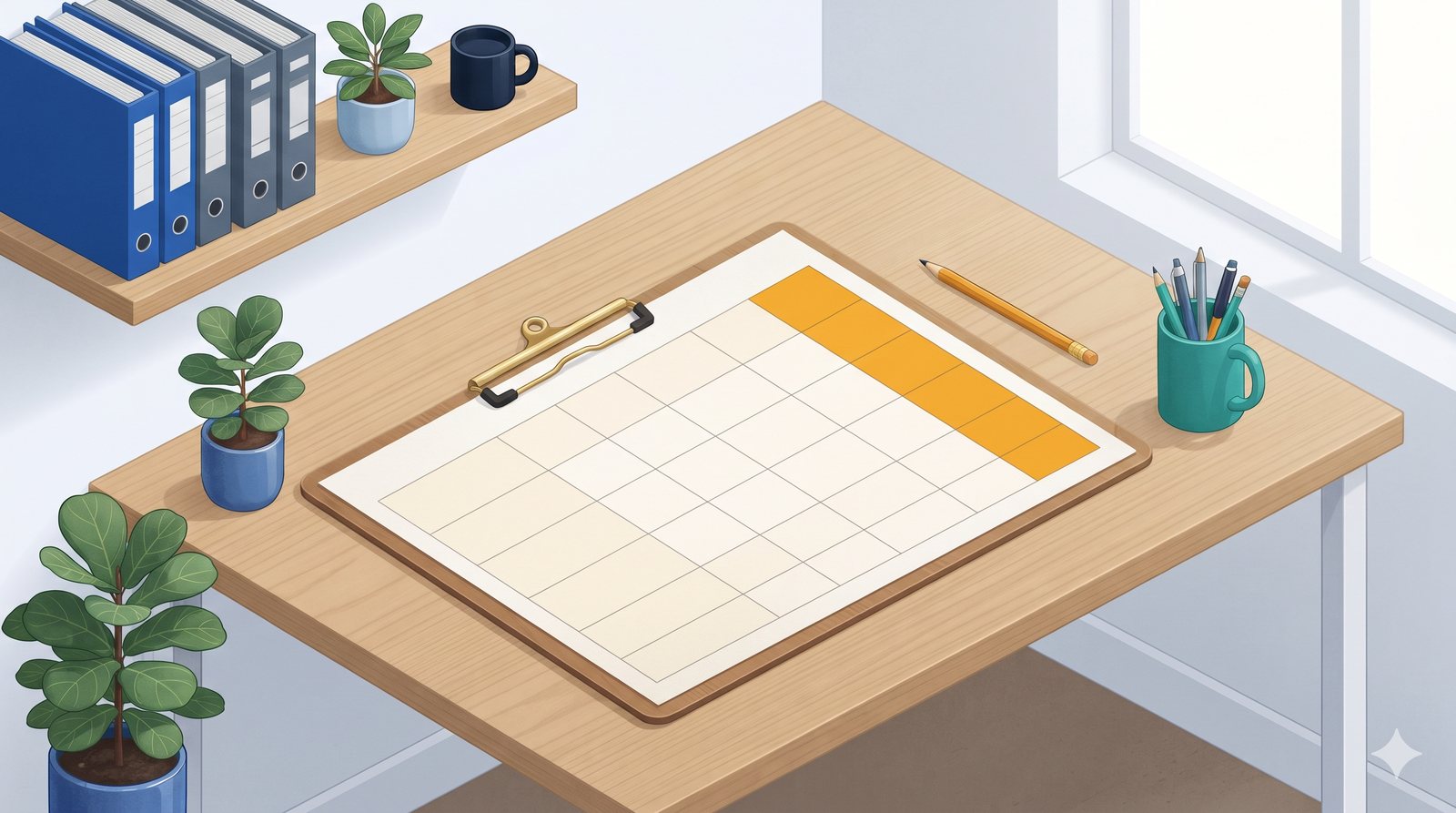
That is eight columns. Most teams can fill them in under a minute per customer, which is why they actually get filled in.
The column most people forget
The "next step and date" column is the one that turns a list into a working tool. Without it, the list tells you who your customers are. With it, the list tells you what to do today.
A simple rule helps: every open enquiry must have a next step with a date, or be marked closed. If you look at the list and see a customer with no next step, something has slipped.
What to leave out
Some information feels useful but rarely gets used, and it slows everyone down. Leave these out of a first list:
- Long notes about every conversation. Use a short note field instead, one or two lines.
- Birthdays and anniversaries, unless you really will send a greeting.
- Many separate address fields, unless you deliver to customers.
- Rough scores or ratings for customers that only one person understands.
Also think carefully about sensitive information. Do not record things like ID numbers, bank details or health details in a general customer list. Collect only what you need for the job, and keep the list where only your team can see it.
Keep it clean from day one
Messy lists usually start with small habits. A few rules prevent most problems:
- One customer, one row. Search before adding someone new.
- Write phone numbers the same way every time, for example with the country code.
- Use the same words for status. "Customer" and "Client" and "Buyer" in the same column make sorting useless.
- One person is responsible for the list, even if several people use it.
Where the list should live
For a single person with a small flow of customers, a spreadsheet on your phone and laptop is fine. As more people need to use it, a shared tool works better, so everyone sees the same, current version. A simple CRM adds reminders for the next-step dates, which is the main reason to move up from a spreadsheet.
Whatever you use, make sure it is backed up and that someone other than you can open it if needed.
Build it from what you already have
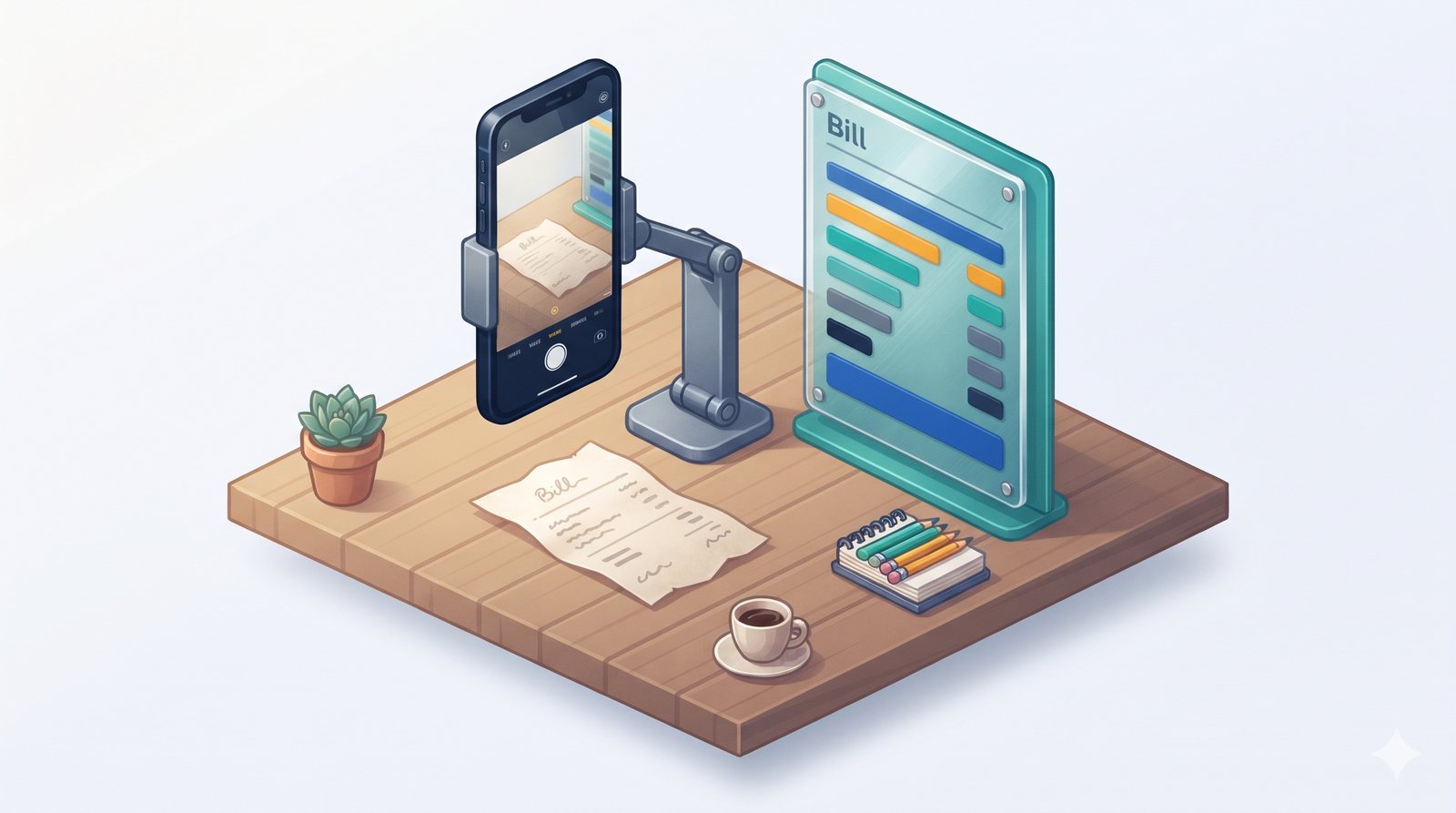
You do not need to start from zero. Your customers are already in your phone contacts, WhatsApp chats, bill books and old invoices. Start with the customers from the last three months. Add the eight columns for each. Older customers can be added later, a few at a time.
From today, every new enquiry goes into the customer list before the end of the day: name, phone, source, what they asked for, status, and next step with date. If you are not sure about a field, leave a short note and ask me.
Where to start
Set up the eight columns today and fill in last month's customers. Use the list every morning for two weeks. If you would like help turning WhatsApp chats and old bills into one clean list, book a free 15-minute check and we will look at what you have.