

Chasing payments is one of the least liked jobs in any small business. It feels awkward, it takes time, and it often gets pushed to tomorrow. Meanwhile, the money you have already earned sits in someone else's account.
Here is the good news: most late payments are not refusals. The customer forgot, the invoice got buried, or the person who pays bills was away. A steady, polite reminder routine solves most of these without a single uncomfortable call.
Make it easy to pay before you remind anyone
Before you build reminders, check that paying you is simple. Many delays start with an invoice that is unclear or hard to act on.
- Put the amount due and the due date at the top, in plain words.
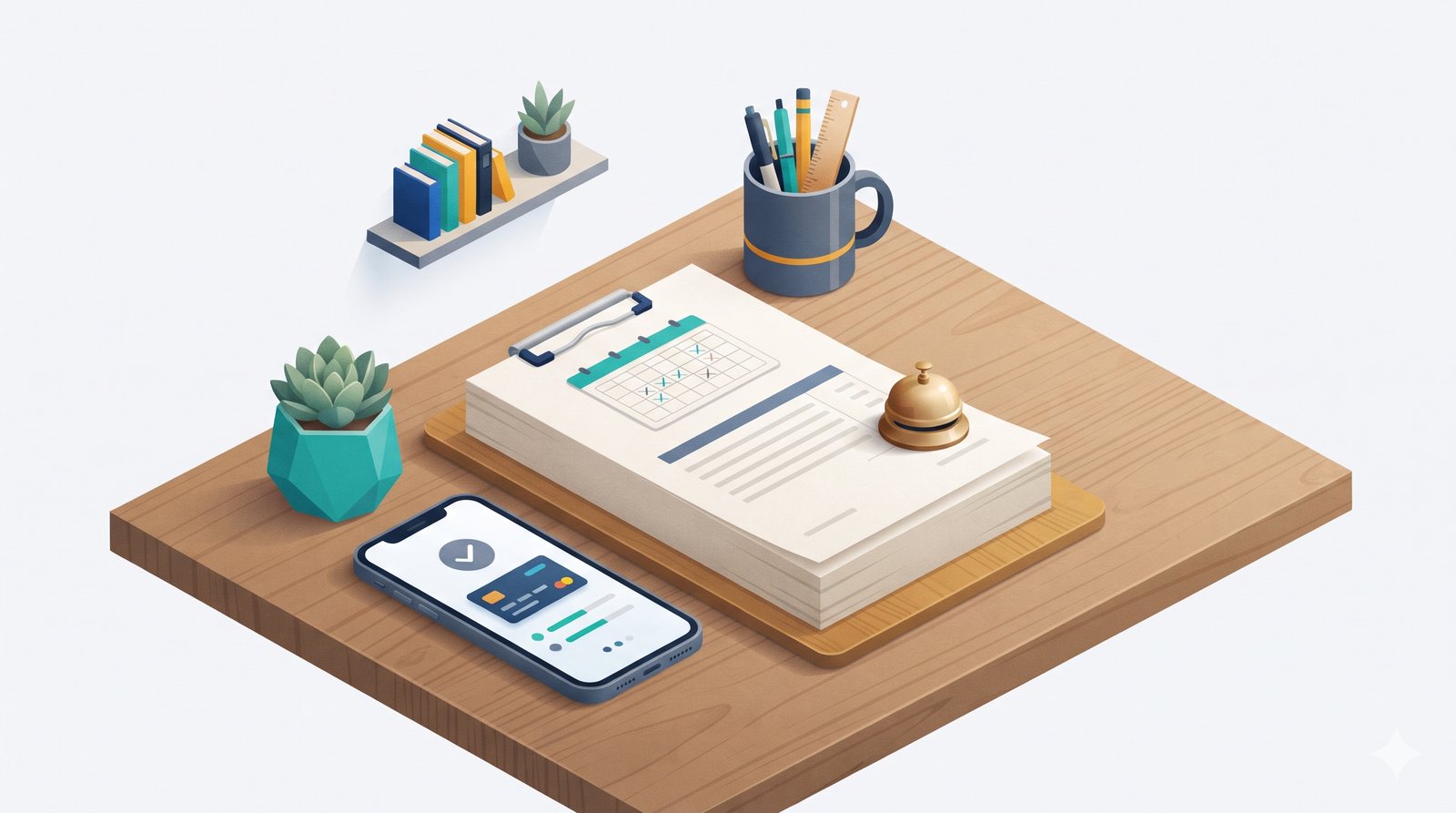
- Add your UPI ID or a payment link right on the invoice.
- Include the invoice number so the customer can match it.
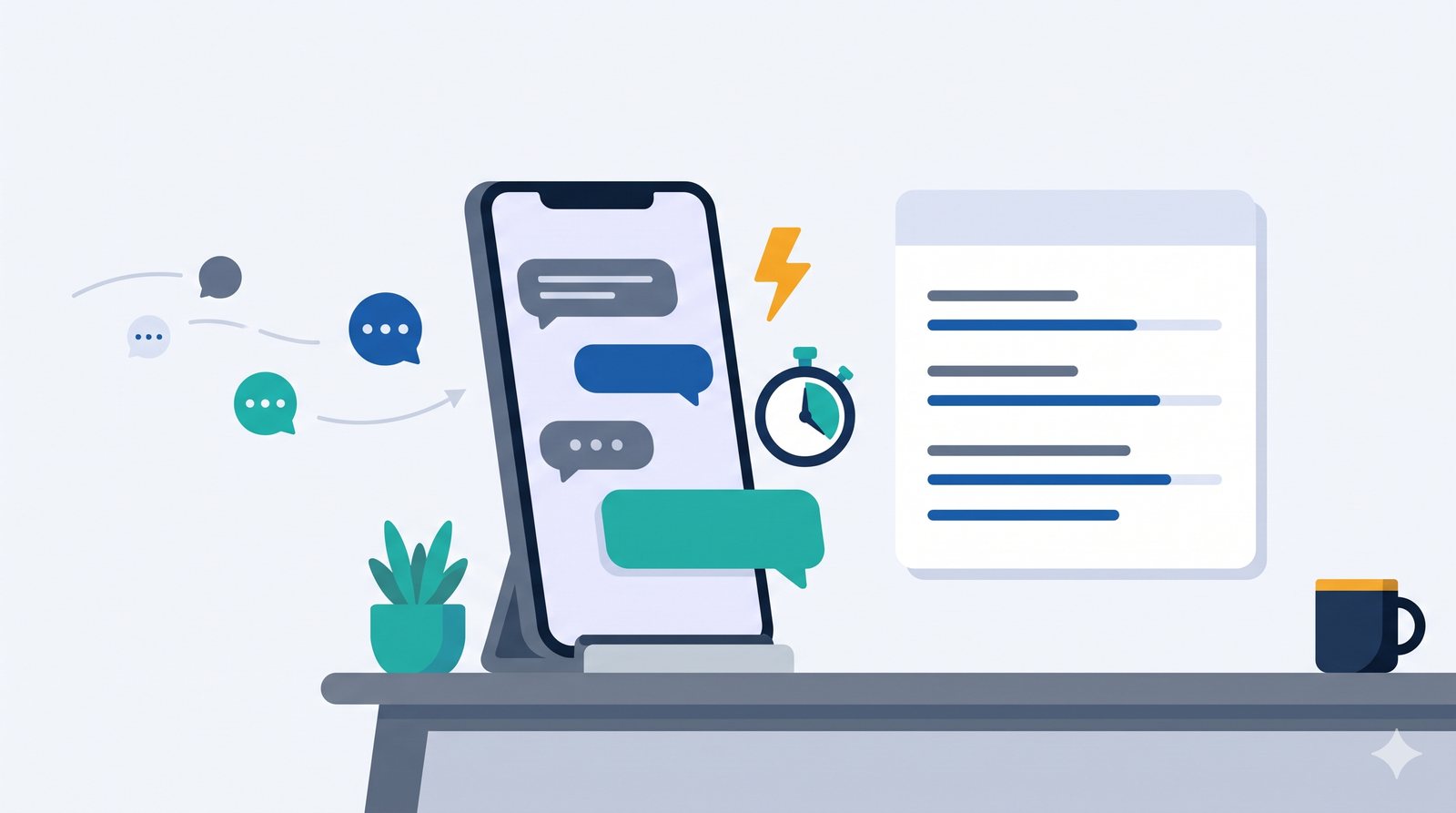
- Send it on WhatsApp as well as email, because that is where most people will see it.
A four-step reminder routine
The routine below works because it is predictable. The customer knows what to expect, and you do not have to decide each time whether it is "too soon" to ask.
- Three days before the due date: a friendly heads-up.
- On the due date: a short note that payment is due today.
- Three days after: a polite check that the invoice reached them.
- Ten days after: a clear, calm message and a phone call.

Messages you can copy
Keep the tone warm and factual. You are reminding, not accusing.
Hello [CUSTOMER NAME], a quick note that invoice [INVOICE NO] for [AMOUNT] is due on [DATE]. You can pay by UPI to [UPI ID]. Thank you.
Hello [CUSTOMER NAME], invoice [INVOICE NO] for [AMOUNT] is due today. If it is already paid, please ignore this message. Thank you.
Hello [CUSTOMER NAME], just checking that invoice [INVOICE NO] for [AMOUNT] reached you. Please let me know if anything needs correcting so we can close it.
For the last step, call rather than message. A short, friendly call often reveals the real reason, such as a missing purchase order or a cash-flow gap, and you can agree on a date together.
Keep one list of who owes what
The routine only works if you know which invoices are open. Keep one list with the customer, invoice number, amount, due date and status. Look at it at the same time every day, for example right after lunch, and send whatever reminders are due.
If you already use billing software, it probably has a list of unpaid invoices. Use that. If not, a simple spreadsheet is enough to start.
What to automate and what to keep personal
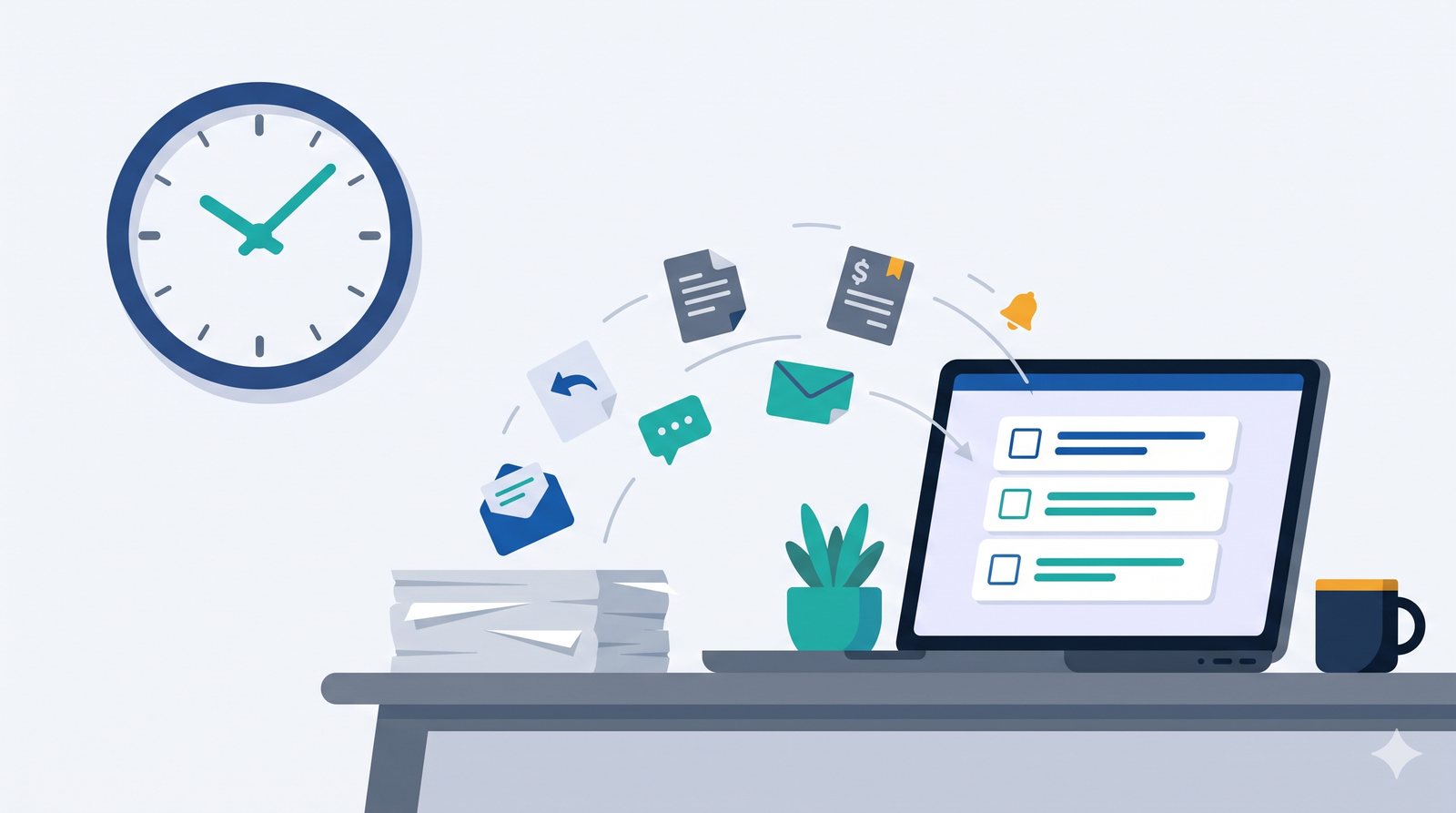
The first three reminders are the same every time, so they are good candidates for automation. A system can send them on schedule from your own WhatsApp Business number, using your own words, so you never have to remember.
Keep the final step personal. A call from you carries weight that no message can, and it protects the relationship with a good customer who is simply having a hard month.
Common questions
Will reminders upset good customers?
Not if they are polite and predictable. Most good customers prefer a gentle reminder to an awkward call weeks later. Many will thank you, because they had genuinely forgotten.
What if a customer keeps paying late?
Talk to them directly and agree on what works, such as a part payment now and the rest by a fixed date. For repeat cases, you might ask for an advance on the next order or shorten their credit period. Decide this calmly and apply it consistently.
Should reminders mention late fees?
Only if late fees were agreed in advance and written on your quote or invoice. Do not introduce a fee for the first time in a reminder message.
How long until this makes a difference?
Often within the first month. Note how many days, on average, customers take to pay today, then check the same number after a month of the routine.
Where to start
Pick one day this week to set up your open-invoice list and save the three messages above. Use them for a month and watch how your collection time changes.
If you would like reminders to go out on their own, book a free 15-minute check. We will look at how you bill today and show you what can run by itself.