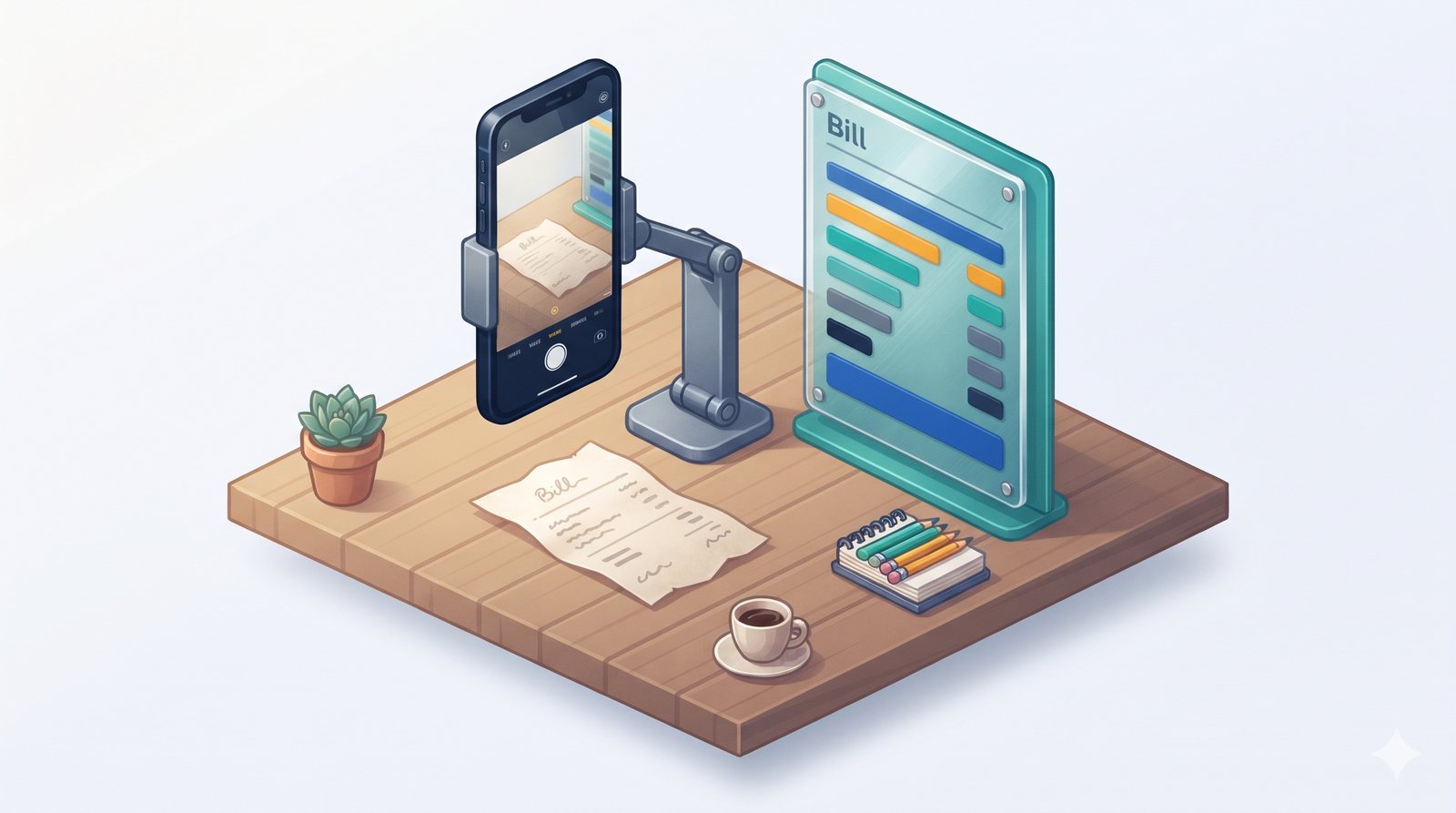



Ask any shop owner what takes too much time and you will hear the same three answers. Making bills. Keeping track of stock. Chasing people who owe money. All three matter, and all three can be made easier with simple tools.
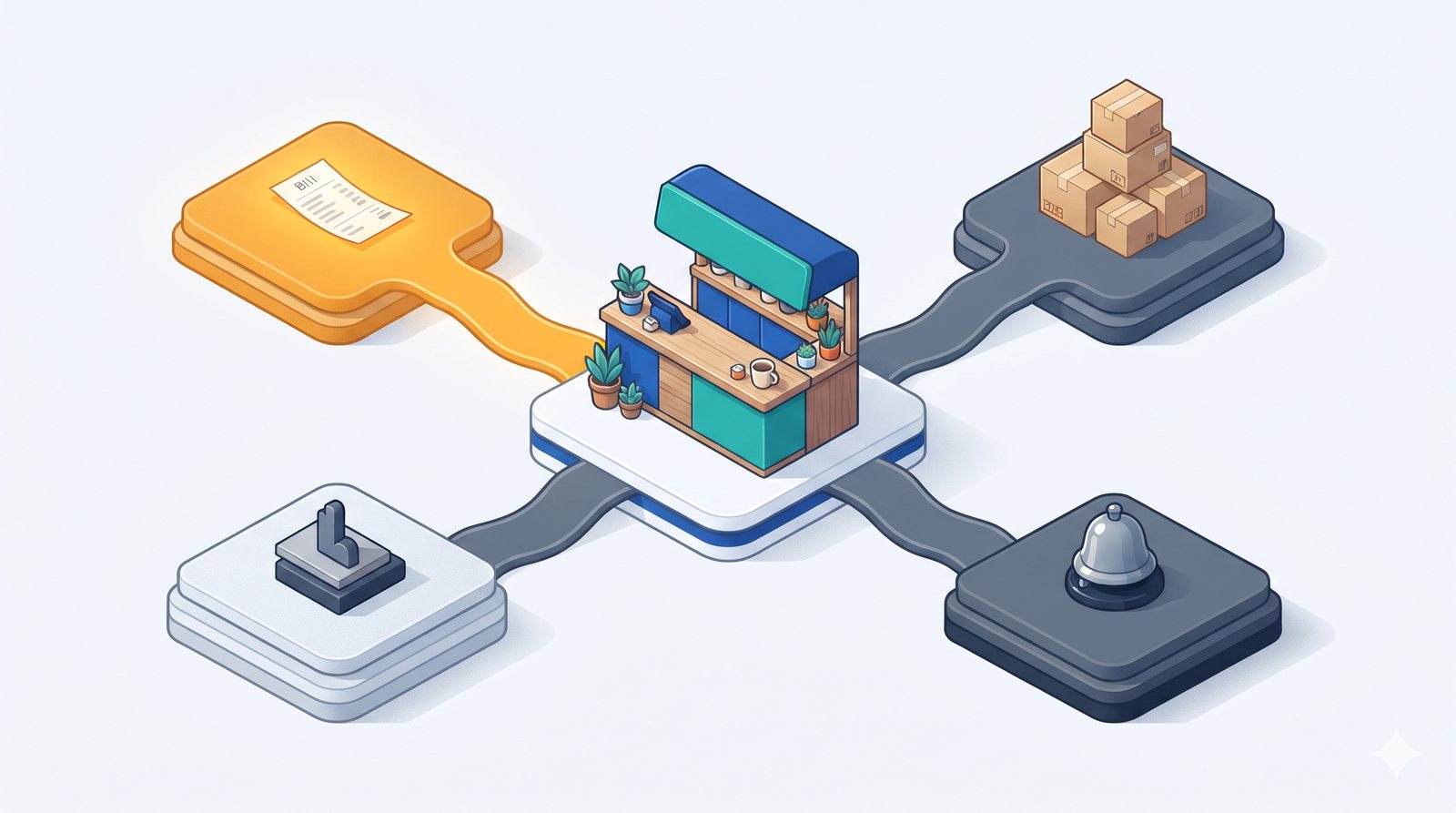
But trying to fix everything at once is how good intentions turn into half-used software. The better approach is to pick one job, fix it properly, and then move to the next. This post will help you choose which one comes first.
Start with where it hurts most
The right first step is not the one with the most features. It is the one that is costing you the most money or the most hours today. Ask yourself three questions:
- How long does billing take at the busiest hour of the day?
- How often do you run out of a popular item, or find old stock gathering dust?
- How much money is owed to you right now by regular customers on credit?
Write a rough answer to each. The biggest number, in time or rupees, is usually your starting point.
Option 1: billing
Billing is worth fixing first if customers wait at the counter, if bills are handwritten, or if you spend the evening adding up the day's sales.
A simple billing setup gives you:
- Faster bills with saved items and prices.
- Clean bills you can share on WhatsApp.
- A daily total without counting slips.
- A record of who bought what, which helps with the other two jobs later.
Billing is often the best first step because it creates the data everything else needs. Once sales are recorded properly, stock and reminders become much easier.
Option 2: stock
Stock is worth fixing first if you regularly lose sales because something ran out, or if you have money tied up in items that do not move.
You do not need a complicated system to start. A list of your top 30 to 50 items, with a minimum quantity for each, already helps. When stock falls below that number, it goes on the reorder list. If your billing already records sales, stock can be reduced automatically with each bill.
Option 3: payment reminders
Reminders are worth fixing first if you give credit to regular customers or businesses and the amount owed keeps growing. Many shop owners do not realise how much is outstanding until they add it up.
The fix is a simple list of who owes what, and a polite reminder routine on WhatsApp. This is often the quickest win of all, because the money is already earned. You are just collecting it sooner.
Hello [CUSTOMER NAME], a gentle reminder that [AMOUNT] is pending on your account with [SHOP NAME] for purchases up to [DATE]. You can pay by UPI to [UPI ID]. Thank you for shopping with us.
A simple way to decide
If you are still unsure, use this rule of thumb:
- If bills are slow or handwritten, start with billing.
- If bills are fine but items keep running out, start with stock.
- If you give a lot of credit and it keeps growing, start with payment reminders.
Give the first change four weeks
Whatever you choose, give it a fair trial. Use it every day for four weeks before judging it. The first week is always slower while you and your staff get used to it. By the third or fourth week, you will know whether it is saving time.
Keep the setup small at the start. Load your fast-moving items first, not every product you have ever stocked. Train one person well, and let them help the others. Small and steady beats big and abandoned.
Then add the next step
Once the first job runs smoothly, the next one is easier, because you are building on something that works. Billing feeds stock. Stock and sales tell you who your regular customers are. Those customers are the ones who get reminders and offers.
Where to start
Pick one of the three this week, using the questions above. If you would like a second opinion, book a free 15-minute check. We will ask a few questions about your shop and tell you which step is likely to pay off first, in plain words.